
Product Scope & Feature Planning

Product Scope & Feature Planning for Clearer Software Direction

Structured product scope and feature planning that gives software ideas clearer direction before scope is agreed or build begins.

What Product Scope Planning Covers

Product scope planning is the process of defining what a software product actually includes — its features, user groups, screens, data flows, integrations and launch expectations — before any build work begins.

Without clear scope, software projects expand indefinitely, accumulate unplanned features, miss user needs and arrive at launch in a state that does not match the original idea. Scope planning is not a constraint — it is the foundation that makes responsible software publishing possible.

GridStack Software LTD supports product scope and feature planning as part of the software publishing enquiry process — helping product owners, businesses and teams articulate what their software needs to do, who it needs to serve and what a responsible first release looks like.
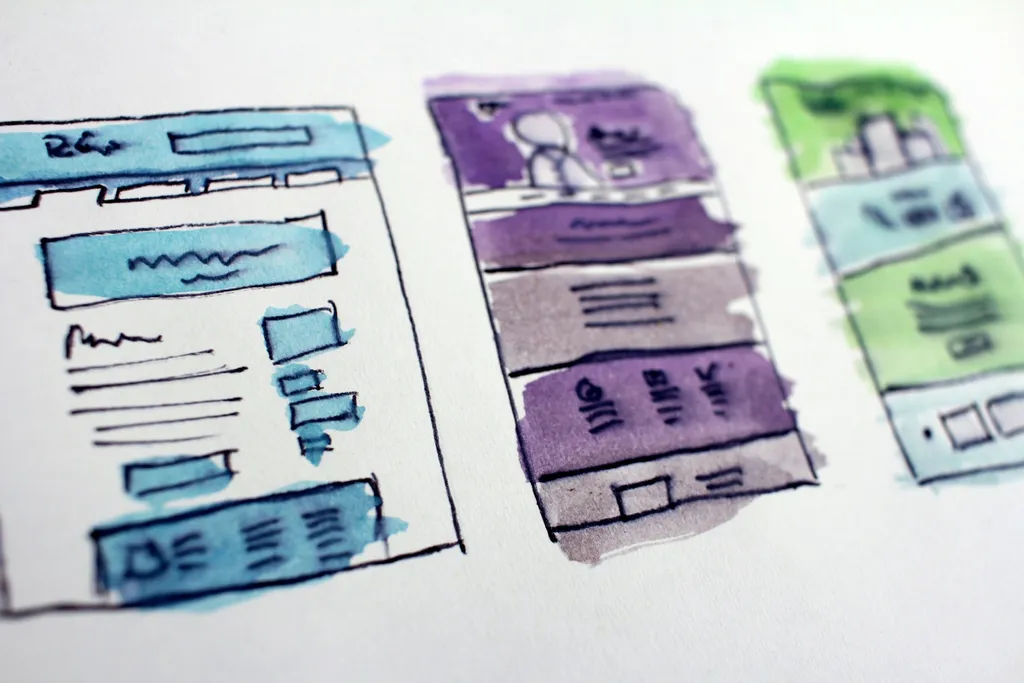

// product.structure

Feature Planning Stages

Effective feature planning moves through distinct stages — from raw ideas to a clear, prioritised scope document.

Stage 1

Idea Capture & Problem Definition

Document the software idea in plain language. What is the problem it solves? Who experiences that problem? What does success look like from the user's perspective? This stage prevents scope from being built around assumptions rather than actual needs.

Stage 2

User Group Mapping

Identify every user type that will interact with the software. For each user group, define their primary goals, typical journeys, access requirements and limitations. User groups that are identified late in the process often require significant rework.

Stage 3

Feature List & Prioritisation

Create a full feature list — not just the must-haves, but everything that has been considered. Then prioritise: core features that must be in the first release, secondary features that can follow, and deferred features that are acknowledged but not in scope.

Stage 4

Screen & Flow Planning

Define the key screens, views or states the software requires. Map how users move between screens, what triggers a state change and what feedback the software gives at each step. Screen planning makes feature requirements concrete.

Stage 5

Data & Integration Requirements

Specify what data the software needs to create, read, update or delete — and where that data comes from or goes to. Identify any external systems, APIs or data sources the software depends on.

Stage 6

Scope Document & Launch Expectations

Consolidate the above into a scope document — a clear record of what is in scope, what is out of scope, what the launch version includes and what the expectations are for post-launch updates. This document becomes the reference point for all subsequent decisions.

Why Scope Clarity Matters

Prevents Scope Creep

A defined scope document creates a clear boundary. New feature requests can be evaluated against it — in scope, deferred or out of scope — rather than being absorbed without consideration.

Aligns Expectations

Product owners, developers, stakeholders and users all benefit from a shared understanding of what the software does and does not do. Misaligned expectations are a major cause of software project failure.

Enables Responsible Planning

When scope is clear, data responsibilities, compliance needs, legal pages, support routes and documentation requirements can all be planned against something concrete rather than a moving target.

Supports Launch Readiness

A product cannot be declared ready for launch unless its scope is defined. Clear scope makes it possible to assess whether a product is complete, what remains and whether launch is appropriate.

Feature planning laid out as structured columns and grouped priorities

Scope mapping

Features grouped before they are committed

Product goals, user types, core features and technical scope are mapped so the difference between launch scope and later phases is explicit.

  • Product goals and success criteria
  • User groups and their core tasks
  • Launch features versus later phases
  • Content and data requirements
Structured planning surface showing prioritised product requirements

Clarity first

Ambiguity resolved before development

A well-mapped scope reduces assumptions on both sides and makes the publishing discussion measurable rather than open-ended.

Want to scope a software product properly before build begins?

Start a structured software publishing enquiry covering your product idea, user groups, features and launch expectations.